How to Transport and Chill a BYOB Bottle Safely
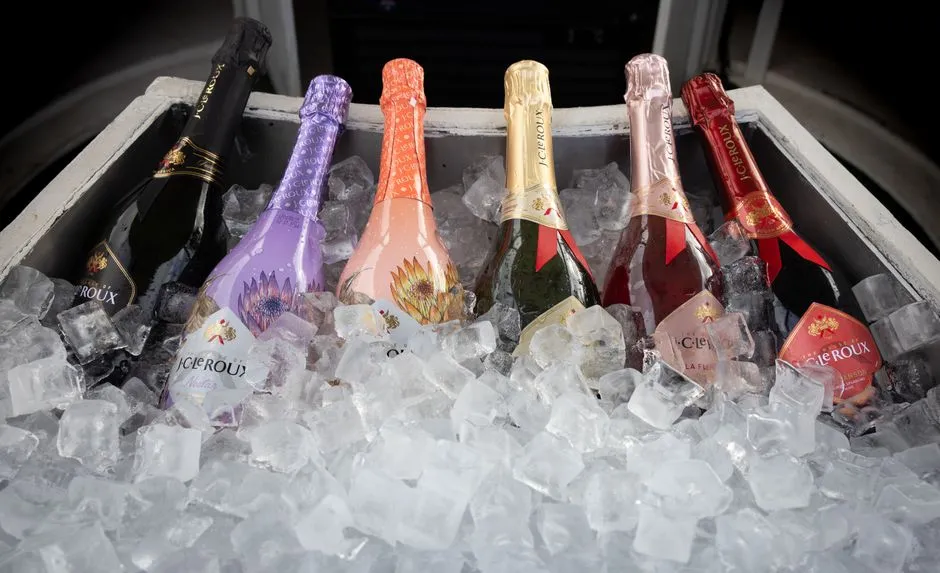
- The bottle should arrive sealed, upright, and uninteresting
- Confirm five things before leaving
- Pre-chill in the refrigerator
- Choose a fitted carrier
- Use gel packs without freezing the wine
- Handle sparkling wine with extra respect
- Move older bottles gently
- Protect the label and identity
- Arrive and hand it over
- Return leftovers lawfully
- The packing sequence
The bottle should arrive sealed, upright, and uninteresting
Good bottle transport is pleasantly dull. The restaurant has confirmed BYOB. The bottle is legal, commercially sealed, upright in a fitted carrier, out of sun, and nowhere near pedals. If it needs to be cool, it was chilled gradually and insulated. Nothing rolls, leaks, freezes, or makes the driver explain a cork embedded in the headlining.
Before packing, read how BYOB restaurants work and verify local law and current venue policy. A beautifully chilled prohibited bottle remains prohibited, only more refreshingly.
Confirm five things before leaving
Ask the restaurant:
- Which drink types and bottle sizes are allowed?
- Must the bottle arrive unopened?
- Does the restaurant chill bottles, and should yours arrive cool?
- Can staff manage sparkling wine, old corks, or sediment?
- How must an unfinished bottle be resealed for lawful departure?
Check the producer's serving and storage guidance. “White cold, red room temperature” is too broad. Light reds may benefit from cooling; full whites may be served less cold than a refrigerator's lowest setting. Sparkling wine needs controlled chilling and careful opening.
Do not obsess over a single degree. Transport should avoid heat and damage; restaurant staff can make a modest final adjustment.
Pre-chill in the refrigerator
Place the sealed bottle upright in a refrigerator with enough time for gradual cooling. Keep it away from raw-food leaks and strong odours. Do not crowd vents or set it in a door shelf that cannot support the weight.
Use a timer if you put any bottle in a freezer, and follow producer guidance. Freezing liquid expands and can push a closure or break glass. Sparkling wine carries pressure and should not be casually forgotten beside the peas. Refrigerator-first is slower and vastly less theatrical.
For rapid chilling immediately before service, an ice-and-water bath transfers heat more effectively than ice alone. Use a clean stable bucket, keep the label protected if it matters, and rotate only if safe. This is a service method, not vehicle transport; dry the bottle before packing so the carrier does not become a damp label-removal kit.
Choose a fitted carrier
A purpose-made insulated bottle tote with dividers is the simplest option. It should keep the bottle upright, cushion the base and sides, close securely, and contain a small leak. Handles and seams must support the full weight.
For several bottles, use rigid dividers so glass cannot strike glass. Keep the carrier on the vehicle floor behind a seat or in another lawful cargo location where it cannot roll, fall, or enter the driver's footwell. Secure it against sudden stops.
Do not place a bottle loose on a seat, in a tote with keys, or in a cupholder too shallow for its centre of gravity. A seat belt around one bottle can still allow it to slip. Test the empty carrier before trusting it with sparkling glass under pressure.
Public transport, walking, cycling, and ride services have their own alcohol and container rules. Verify them. Never cycle or drive impaired, and never carry alcohol where possession is prohibited.
Use gel packs without freezing the wine
Place sealed chilled gel packs around—not directly crushing—the bottle inside an insulated bag. A cloth barrier protects labels and moderates cold spots. Keep melting ice in a watertight compartment so the bottle does not sit in warm water later.
The goal is to slow warming, not drive the drink toward freezing. Monitor long journeys. Do not use dry ice in an ordinary closed carrier: extreme cold, carbon dioxide, ventilation, skin injury, and transport rules create hazards beyond a dinner plan.
If carrying food in the same cooler, separate the bottle from perishables and maintain food at safe temperatures. Better still, use separate carriers so repeated drink access does not warm dinner.
Handle sparkling wine with extra respect
Chill sparkling wine before travel because warm liquid can be more vigorous when opened. Keep it upright and cushioned. Do not shake, roll, or leave it in a hot vehicle. Protect it from impact and direct sun.
Tell restaurant staff it is sparkling and hand it over on arrival. Let trained staff open it under venue procedure. Do not point the cork toward people, lights, or glass. A cork is not festive because it crossed the room; it is a projectile with branding.
If the bottle has been jolted, allow it to settle and inform staff. Do not secretly crack it at the table to “release a little pressure.”
Move older bottles gently
Older wine may contain sediment and have a fragile cork. Stand it upright well before service if producer or specialist guidance recommends allowing sediment to settle. Minimise vibration and keep temperature stable.
Tell the restaurant before arrival and ask whether it can open and decant such a bottle. Bring the original intact bottle. Do not filter or decant at home and transport an unlabelled open container.
If the cork looks raised, the capsule leaks, or the neck is cracked, do not transport it. Seek specialist advice. Secondary containment can catch a leak but does not make damaged pressurised glass safe.
Protect the label and identity
Keep the label dry and visible. A removable plastic sleeve around the bottle can protect paper, but do not conceal legal markings or create a heat-trapping wrap. Avoid adhesive tape on collectable labels.
Carry proof of purchase only when relevant to local rules or a valuable bottle; restaurant staff primarily need a sealed identifiable container. Never move alcohol into a water bottle, thermos, or anonymous decanter. Misidentification is a safety risk around children and adults alike.
For a home gathering, attach a removable owner tag after arrival, not over required label text. The BYOB home-hosting guide keeps bottle ownership and safe rides in the same plan.
Arrive and hand it over
Carry the bottle inside in its closed carrier. Tell the host or server and follow their direction. Do not open it in the car park, lobby, or at the table. Staff may need to verify, chill, record, or decline it.
Accept the venue's decision if the bottle falls outside policy. Keep it sealed and return it to lawful secure storage. Do not ask a companion to hide it or offer to pay “extra corkage” to change a licence condition.
Use BYOB restaurant etiquette for service, tipping principles, non-drinkers, and leftovers. Transport competence does not grant a private glassware programme.
Return leftovers lawfully
Ask staff to reseal or package the unfinished bottle as local law requires. Give it to a sober adult. Place it in the legally permitted cargo area, upright and contained. Do not continue drinking in a vehicle or public area unless explicitly lawful.
Open-container laws vary by jurisdiction and transport type. When uncertain, leave the remainder. Never drink and drive, and never accept a ride from an impaired driver. Food, coffee, water, time at dinner, and confidence do not provide a roadside sobriety certificate.
At home, return the bottle to its producer-recommended storage. Refrigerate products that require it after opening. Do not assume all wine, beer, cider, liqueurs, and spirits share one after-opening rule.
The packing sequence
Confirm permission and law. Inspect the sealed bottle. Pre-chill gradually if appropriate. Put it upright in a fitted insulated carrier with separated gel packs. Secure the carrier in a lawful cargo position. Keep it out of sun and heat. Hand it to staff. Return leftovers only through a sober legal plan.
The dinner may be spontaneous. The glass bottle in a moving vehicle should not be. Its ideal travel story is one sentence long: it arrived, and nobody had to mop the boot.