BYOB Restaurant Etiquette: A Bottle Without Drama
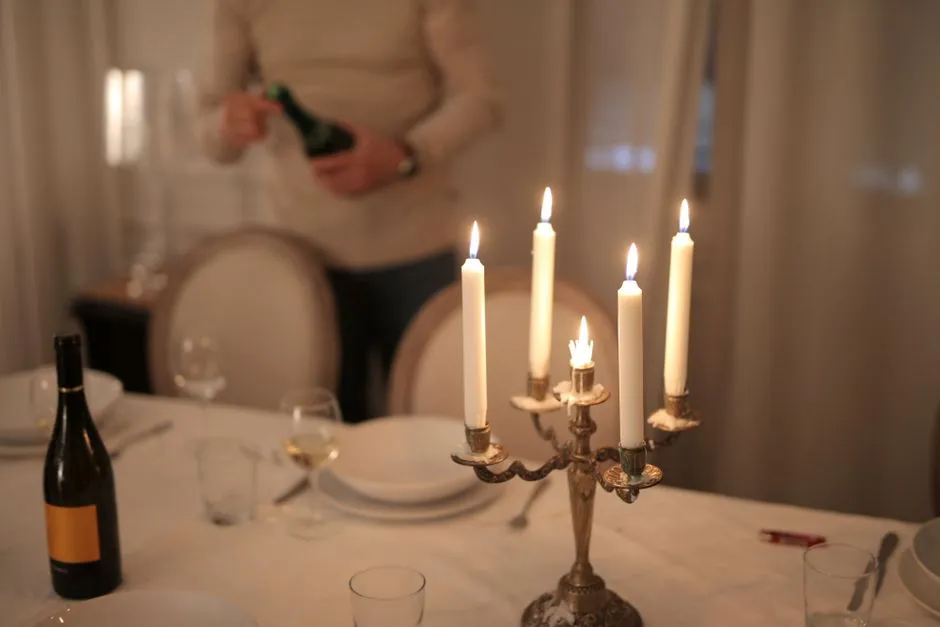
- Good BYOB manners begin before the restaurant
- What does BYOB mean at a restaurant?
- Bring one suitable bottle unless the restaurant says otherwise
- Coordinate the table privately
- If several bottles are permitted, give the table one plan
- Follow the venue’s bottle-service instructions
- Accept lawful disclosed corkage where permitted
- Offer a taste once, if appropriate
- Order with the restaurant in mind
- Let staff control pace and glassware
- Share the story briefly
- Handle leftovers without pressure
- Respond well when something goes wrong
- The guest restaurants remember kindly
- Sources
Good BYOB manners begin before the restaurant
The gracious BYOB guest verifies permission, brings a manageable sealed bottle, accepts any disclosed lawful service charge, and makes the meal—not the bottle—the main event. They also arrange a sober ride before anyone drinks. Everything else is detail, including the question of whether your wine has a tiny illustrated badger on the label.
Policies and laws vary. Read how BYOB works at restaurants first, contact the venue directly, and use official alcohol rules for the jurisdiction. Etiquette never overrides legality or staff instructions.
What does BYOB mean at a restaurant?
At a restaurant, BYOB usually means “bring your own bottle”: conditional permission to bring a specified drink. Some venues use “beverage” or other wording, so their definition controls.
It does not promise every alcohol type, free corkage, self-service, one bottle per adult, or takeaway. Jurisdiction, licence, policy, drink type, legal age, event, and service rules control.
Bring one suitable bottle unless the restaurant says otherwise
Follow the stated bottle, type, and size limit. A limit is not a challenge. For a small table, one bottle is often easier to manage than a personal allocation from every guest, but the venue's policy and the group's choices decide.
Choose something you genuinely enjoy and can afford to share. An expensive or famous bottle is not more polite. A rare, old, fragile, sparkling, oversized, or heavily sedimented bottle may require advance discussion because opening and service are more involved.
Avoid bringing a bottle that appears on the restaurant's current list if the venue asks guests not to. Check the actual producer, wine, vintage, and size rather than declaring two labels different because one has a bird facing left.
Keep the bottle sealed and in original packaging. No anonymous decanters, homemade spirits, or half-finished bottles unless the restaurant explicitly and lawfully permits them.
Coordinate the table privately
If several guests want to bring something, choose one coordinator. Share the restaurant's rules and ask what people actually drink. Do not let four guests independently arrive with four similar bottles; stop opening bottles when the table no longer wants more.
Ask whether anyone abstains, but not why. Provide room for alcohol-free orders and make every toast inclusive. Pregnancy, health, medicine, religion, recovery, driving, taste, and simple preference are all possible and none is owed as an explanation.
Avoid making one guest the designated driver by surprise. A designated driver agrees in advance and drinks no alcohol. Better yet, arrange transport for everyone before service begins.
If several bottles are permitted, give the table one plan
When the venue confirms that several bottles are allowed, use one coordinator for the restaurant as well as the group. At arrival, provide a short list of the bottles, the group’s preferred order if it has one, which bottles need chilling, and any sparkling, old, fragile, or sediment-heavy bottle discussed in advance.
Ask whether that plan fits the permitted service process. Do not announce decanting, extra glasses, or a sequence as instructions. Staff may control those decisions where law and policy allow; where staff cannot handle customer alcohol, follow the venue’s alternative process.
Keep every bottle sealed until the restaurant says how to proceed. Open one at a time. Either state the preferred order once or ask the venue to choose; several guests should not issue parallel directions.
Accept the available stemware unless changes were approved beforehand. A fresh glass for every wine may not be practical. Stop opening bottles when the table no longer wants more, regardless of the original plan. Handle unopened and unfinished bottles through the venue’s current policy and the sober, lawful transport arranged before service.
Follow the venue’s bottle-service instructions
On arrival, tell the host or server you have a permitted BYOB bottle and follow the venue’s instructions. Where law and policy allow, staff may inspect, record, chill, or open it; elsewhere staff may be prohibited from possessing or serving a customer’s alcohol.
Do not place the bottle on the table, open it, or pour it until the venue explains the permitted process. Bring personal glasses, a decanter, an ice bucket, or opening tools only by prior agreement.
For sparkling wine, let trained staff handle opening. For an old cork, explain the concern calmly and accept the restaurant's method or refusal. A bottle with a cracked neck, active leak, or unsafe closure should not be served.
Our transport and chilling guide covers temperature control, upright containment, and leak-resistant transport.
Accept lawful disclosed corkage where permitted
Where law and policy permit it, corkage may cover opening, handling, glassware, chilling, decanting, cleaning, and permission for outside alcohol. Confirm any charge before arrival and pay the disclosed lawful amount.
If the venue waives corkage, thank them and remain generous in ordering and gratuity. Do not treat a waiver as an invitation to bring more bottles or to publish it as permanent policy. It may be situational.
Tipping systems vary across countries and venues. Recognise the full service experience according to local custom, including bottle work. Check whether a service charge is already included. This site will not invent one global percentage and send it marching through several wage systems.
Offer a taste once, if appropriate
In wine-focused settings, some guests offer the sommelier or server a small taste of a special bottle. This is an offer, not a tradition staff must accept. Workplace policy, legal restrictions, driving, health, timing, or preference may prevent it.
Ask once: “Would you care for a taste, if policy allows?” Accept no immediately. Do not fill a glass without consent, insist, or interpret refusal as criticism of the bottle. Do not raise the offer again after a refusal.
Order with the restaurant in mind
BYOB should support a proper meal. Order across the menu as your group ordinarily would, observe minimums, and do not occupy a large table for one starter and an outside-bottle seminar.
Ask staff for food recommendations without demanding a perfect pairing. Menus and ingredients change. Describe the bottle briefly if useful, then let the kitchen's food remain itself.
Order water and appealing non-alcoholic drinks. Food and water do not make impaired driving safe, but a meal should not be structured around rapid alcohol service. Do not pressure the table to finish the bottle or accept refills.
Let staff control pace and glassware
Use the glasses provided unless another arrangement was approved. Bringing a case of personal crystal creates handling, washing, liability, and storage problems. If stemware matters for a special bottle, ask politely before booking whether the venue can accommodate it.
Do not refill other guests automatically. Ask. Some people track intake, switch to water, or simply dislike the wine. Keep pours modest and within venue practice.
If a glass has a flaw or smells of detergent, mention it quietly and let staff replace it. Do not perform a tablewide glass inspection with the intensity of a laboratory raid.
Share the story briefly
A bottle can have a meaningful producer, trip, vintage, or gift behind it. Offer the short version and notice whether the table wants more. BYOB does not require a lecture on soil types before anyone may touch bread.
Avoid claims that wine is healthy, medicinal, or required for authentic enjoyment. Alcohol carries risk, and people make different choices. The best pairing is the one that lets everyone remain comfortable.
Handle leftovers without pressure
Do not accelerate consumption to avoid wasting wine. Ask staff whether local law and policy allow the bottle to leave and how they must reseal or package it. Give it only to a sober person of legal alcohol age who may lawfully possess and transport it.
Open-container rules may control where it sits in a vehicle. Never drive after drinking. If no safe legal plan exists, leave the remainder.
At a home event, label guest bottles and return them through the plan in how to host a BYOB dinner. Restaurant staff are not responsible for remembering which guest adopted which leftover.
Respond well when something goes wrong
If the restaurant says the policy changed, accept it and keep the bottle sealed. If the cork breaks, let staff propose a safe response. If the wine is flawed, do not blame the restaurant for an outside bottle. Order another permitted drink or continue without alcohol.
If a guest becomes impaired, stop serving and prevent driving. The U.S. National Institute on Alcohol Abuse and Alcoholism’s overdose guidance lists mental confusion, difficulty remaining conscious, vomiting, seizures, slow or irregular breathing, slow heart rate, clammy skin, dulled responses, very low body temperature, and bluish or pale skin. Call local emergency services immediately if overdose is suspected; do not wait for every sign. Stay with the person and follow dispatcher instructions. If the person vomits, lean them forward; if unconscious or lying down, roll them onto one side with an ear toward the ground. Coffee, a cold shower, and walking do not reverse an overdose.
If staff refuse service, comply. Their judgement, licensing obligations, and safety responsibilities outrank the table's embarrassment.
The guest restaurants remember kindly
They called ahead. They arrived on time with one legal sealed bottle. They followed the venue’s bottle instructions, paid any disclosed lawful corkage, ordered a full meal, tipped according to local practice, included non-drinkers, and used transport arranged earlier.
They may also have brought a genuinely lovely wine. That is a bonus, not the qualification. BYOB etiquette is mostly the art of making an outside bottle create less work and more pleasure. The corkscrew gets enough drama from old corks; it does not need help from the table.