How BYOB Works at Restaurants: Verify Before You Go
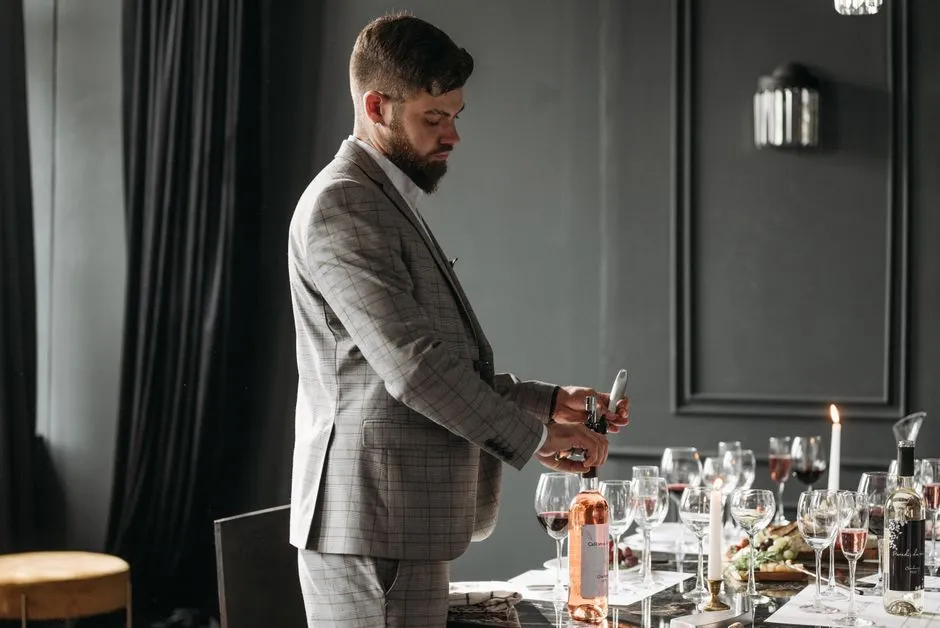
- BYOB means “bring your own,” followed by several conditions
- First check whether BYOB is legal there
- Ask the restaurant these nine questions
- Understand what corkage covers
- Bring the bottle sealed and identifiable
- Hand it to staff on arrival
- Order a real meal
- Keep quantity and pace modest
- Settle the ride home before opening
- Handle an unfinished bottle lawfully
- What staff can refuse
- The two-minute BYOB checklist
BYOB means “bring your own,” followed by several conditions
A BYOB restaurant allows customers to bring specified alcoholic drinks under local law and current house policy. It may allow wine but not spirits, charge per bottle, limit group quantities, require a meal, or prohibit BYOB during certain events. Another venue with the same initials on a listing may operate under completely different rules.
Call or message the restaurant directly before going. Ask a short, precise set of questions, record the date and staff response, and verify again when the booking is far ahead. This independent publication is not a restaurant or former venue and cannot grant permission, quote corkage, or reserve your table.
First check whether BYOB is legal there
Alcohol regulation happens at national, state or provincial, and local levels. Rules can depend on whether the restaurant has a licence, what that licence covers, what drink you bring, whether it is sold elsewhere on site, and the age of guests.
Official rules differ dramatically. For example, a Pennsylvania Liquor Control Board FAQ explains that its state code does not generally prohibit legally procured BYOB, while still identifying limits and local considerations. That does not make Pennsylvania's rule transferable to another jurisdiction.
Use the relevant official alcohol authority, not an old forum reply. Then ask the restaurant, which may choose a narrower policy than the law permits. Legal possibility plus restaurant permission equals a viable plan; either one alone is incomplete arithmetic.
Ask the restaurant these nine questions
- Do you currently allow customers to bring alcohol?
- Which types—wine, beer, cider, or something else—are permitted?
- Must every bottle arrive commercially sealed?
- Is there a bottle-size or number limit by table?
- What is the corkage or service charge and how is it applied?
- Do you provide suitable glasses, opening, decanting, or chilling?
- Are reservations, minimum food orders, or legal-age IDs required?
- Are there bottles you do not allow because they appear on your list?
- How are unfinished bottles handled under local law?
Do not ask only, “Are you BYOB?” The word may answer less than expected. A host can say yes while meaning one 750-millilitre wine bottle per pair, no beer, and no ice bucket. Specific questions prevent a bottle from taking a round trip in formalwear.
If allergy, accessibility, or dietary needs matter, discuss those separately. BYOB permission says nothing about cross-contact, step-free access, or menu suitability.
Understand what corkage covers
Corkage is a service fee connected with a bottle brought from outside. It can compensate the restaurant for opening, glassware, chilling, decanting, washing, handling, and revenue displaced by outside alcohol. It may be charged per bottle, vary by size, or be subject to a limit.
Ask before booking and accept the answer. Do not arrive with a bottle and bargain after staff have set the table. Corkage is not a punishment for owning wine; it is part of the restaurant's service model.
Some venues waive a fee under a specific arrangement or for certain nights. Verify rather than assuming a social-media post remains current. This site does not publish venue prices because fees change.
Paying corkage does not allow a prohibited bottle. It also does not turn staff into personal cellar managers. Discuss unusual closures, sediment, oversized bottles, fragile age, or long decanting in advance.
Bring the bottle sealed and identifiable
Use the original commercial bottle with its label and closure intact. Do not bring an unlabelled decanter, homemade alcohol, previously opened bottle, or a drink outside the venue's permission. Staff may need to verify contents and alcohol strength.
Transport it upright and cushioned. Our BYOB bottle transport guide covers insulated carriers, sparkling wine, and why a loose bottle does not belong under a brake pedal.
Carry accepted identification if you may drink. Every drinking adult must meet legal-age rules. The person who purchased or transported the bottle should also comply with local possession law. BYOB does not place the table outside the jurisdiction, however private the corner booth feels.
Hand it to staff on arrival
Tell the host you have a permitted bottle and follow their direction. Do not sit down, open it with a pocket corkscrew, and present the server with a fait accompli. The restaurant may need to record, inspect, chill, or open it.
Let trained staff handle sparkling bottles and difficult corks. Ask before using your own opener. If the closure fails, accept the venue's safety decision. A cork floating in wine is inconvenient; a chipped bottle neck is a disposal problem.
If the restaurant provides an ice bucket or decanter, keep it where staff place it. Do not block aisles, ledges, or emergency routes. Keep bottles and glass away from children at the table.
Order a real meal
BYOB dining still depends on the restaurant. Order food appropriate to the reservation and group, not the minimum imaginable snack beneath a bottle convention. Follow any meal or per-person policy. Respect table time and closing procedures.
Choose a bottle that suits the group's taste and the likely meal without declaring a pairing emergency. The menu may change, specials may sell out, and not everyone drinks. Water and alcohol-free options belong in the plan.
Good BYOB restaurant etiquette includes treating abstaining as normal and staff service as valuable. Nobody needs to defend a glass of sparkling water before the starters.
Keep quantity and pace modest
Follow the venue's limit, which is a ceiling rather than a target. Alcohol content varies widely, and one bottle does not equal a fixed number of safe servings for every person or situation. The US National Institute on Alcohol Abuse and Alcoholism notes that serving size alone does not determine alcohol content.
Do not pressure anyone to drink, finish a glass, or “help” avoid leftovers. Provide or order food and water, but never suggest they make impaired driving safe. A designated driver consumes no alcohol.
Anyone pregnant, taking medicines, managing a condition, in recovery, or choosing not to drink should follow appropriate guidance without table interrogation. A restaurant outing can be complete without alcohol.
Settle the ride home before opening
Decide who is driving sober, book a taxi or rideshare, use transit where safe and operating, or stay within a safe pedestrian route. Do this before arrival. Never select a driver at dessert based on who sounds most confident.
Alcohol impairs judgement before a person may recognise it. Food, water, coffee, and fresh air do not rapidly remove alcohol. Never drink and drive, cycle impaired, or travel with an unsafe driver.
For a home gathering, our BYOB dinner hosting plan builds transport, food safety, and non-alcoholic drinks into the invitation rather than improvising at midnight.
Handle an unfinished bottle lawfully
Ask the restaurant whether leftovers may leave and how they must be resealed or packaged. Local open-container law may govern the closure and where it can travel in a vehicle. The restaurant may decline to release it in some circumstances.
Give it only to a sober adult who can transport it lawfully. Keep it inaccessible to passengers where required. If nobody can manage it safely, leave it. Wine is replaceable; legal and physical safety are poor places to demonstrate thrift.
Never carry an open container onto transit or into public space unless current local law and operator rules allow it. Never continue drinking on the journey because the restaurant portion of the evening has technically ended.
What staff can refuse
Staff can refuse service to someone underage, without acceptable ID, visibly impaired, disruptive, or violating policy. They may reject an open, damaged, oversized, unapproved, or unsafe bottle. They may stop service during the meal.
Accept the decision. Do not ask another staff member until one agrees, hide the bottle, or pour discreetly. Respecting alcohol service is baseline conduct, not a customer-service negotiation.
If someone becomes confused, cannot remain conscious, vomits while difficult to wake, has a seizure, breathes slowly or irregularly, or turns clammy, blue, or very pale, call emergency services. NIAAA warns not to let an unconscious person “sleep it off”; coffee, cold showers, and walking do not reverse overdose.
The two-minute BYOB checklist
Confirm legality. Confirm restaurant policy. Ask drink types, limits, corkage, service, ID, and leftover rules. Book the table. Arrange sober transport. Bring a sealed labelled bottle upright. Hand it to staff. Order properly, include non-drinkers, pace modestly, and accept staff decisions.
BYOB works best when the bottle is the least surprising part of the evening. The pleasure is choosing something personal to share; the competence is making sure the restaurant actually invited it.