How to Host a BYOB Dinner Without Running a Bar
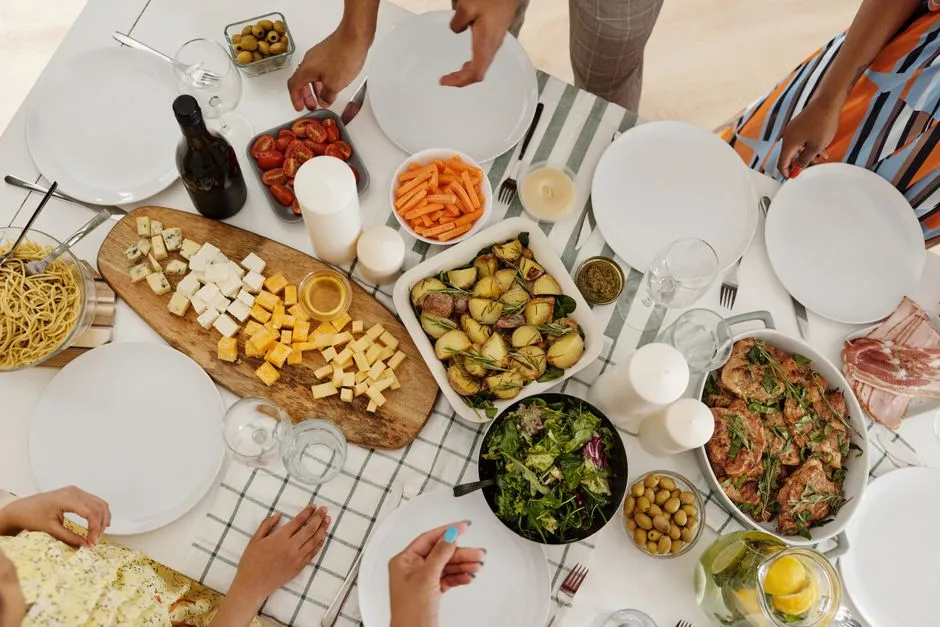
- How do you host a BYOB dinner at home?
- Looking for how a BYOB restaurant works?
- Check legal age and local home-host rules
- Write an invitation that makes alcohol optional
- Build the allergy plan before shopping
- Set the safe ride before the seating plan
- Plan the beverage station away from food preparation
- Make water and alcohol-free drinks effortless
- Run the food table by temperature
- Serve food before alcohol becomes the activity
- Know when to stop serving and call for help
- Handle bottles and food at the end
- The home BYOB checklist
- Sources
How do you host a BYOB dinner at home?
To host a BYOB dinner at home, make alcohol optional, share the menu, ask about allergies and access needs, provide water and appealing alcohol-free drinks, and separate bottle service from food preparation. Serve alcohol only to adults of legal drinking age under local law, agree sober transport before anyone drinks, and use a thermometer: USDA says cold perishables should stay at 40°F or below and hot food at 140°F or above. Call emergency services immediately for suspected alcohol overdose or a serious allergic reaction.
The host does not need to stock a bar or supervise a comparative tasting. They need water, good alcohol-free drinks, a meal, labels, two working openers, and the confidence to stop service.
Looking for how a BYOB restaurant works?
A BYOB restaurant is a different setting. Permission depends on local law, the venue's licence where relevant, and current house policy. Use How BYOB works at restaurants for drink types, corkage, staff service, and leftovers. This guide covers an ordinary private dinner at home.
Check legal age and local home-host rules
Check the official alcohol authority for the event's jurisdiction, especially for paid events, public spaces, minors, large gatherings, or any situation that may no longer count as a private dinner. This guide does not cover sales, ticketed events, catering, or licensed service.
In the United States, the NIAAA drink-size calculator identifies 21 as the legal drinking age. That U.S. statement does not establish the rules for furnishing alcohol, home-host responsibility, transport, or another country. Serve alcohol only to adults of legal drinking age and verify the rules that apply where the dinner occurs.
Write an invitation that makes alcohol optional
Try:
Dinner is at seven. I'll provide the meal, water, and alcohol-free drinks. Bring a favourite beverage only if you'd like—no need for it to be alcoholic. Please tell me about allergies or access needs by Tuesday.
Add an approximate end time, transport or parking notes, stairs, pets, and whether shoes come off. If the menu suits a broad drink style, offer it as information rather than homework. “Tomato pasta, so bring whatever you enjoy” is hospitality. “Each person must bring a prestige Italian red” is a procurement department.
Do not ask why someone abstains. Do not announce pregnancy, recovery, medicine, religion, health, or driving status. Have appealing alcohol-free drinks cold and visible, served in the same good glassware where appropriate.
Build the allergy plan before shopping
Ask guests what ingredients they must avoid and what cross-contact limits matter. Keep packages and recipes available so you can answer ingredient questions accurately. If you change an ingredient, update the information before serving. Use a separate clean utensil for each dish.
The U.S. Food and Drug Administration defines allergen cross-contact as the inadvertent introduction of an allergen into a food. FDA rules for food manufacturers are not instructions or legal requirements for a private home kitchen, but the distinction is useful: an ingredient label identifies what was intentionally used; it does not prove that cross-contact was prevented.
Tell a guest exactly what you know and what you cannot control. Do not describe a dish or kitchen as allergen-free unless you can substantiate that claim. If a guest has a personal emergency plan or prescribed medication, ask how they want the host to support that plan without taking over their medical decisions.
FDA lists face, tongue, or lip swelling, coughing or wheezing, throat swelling, difficulty breathing, dizziness, and loss of consciousness among possible food-allergy symptoms. If symptoms begin, the affected person should stop eating, follow their prescribed emergency plan, use emergency medication as directed, and seek medical attention. Call emergency services immediately for a severe reaction. Do not improvise treatment.
Set the safe ride before the seating plan
Ask guests to decide on a sober driver, taxi, rideshare, transit, walk, or sleeping arrangement before arrival. A designated driver drinks no alcohol. Save local transport numbers and clear a safe pickup point. Current NHTSA host guidance likewise tells U.S. hosts to arrange sober rides in advance and designated drivers to refrain from alcohol and drugs.
Do not let an impaired guest drive, cycle, or leave with an unsafe driver. Take keys only when it can be done safely, recruit sober help, and arrange alternative transport. If conflict or danger develops, contact appropriate authorities.
Offer a bed or sofa only when the home can safely accommodate it and the guest agrees. Sleep does not remove alcohol rapidly. A person who cannot be awakened may have an alcohol overdose and needs emergency help.
Plan the beverage station away from food preparation
Choose a stable surface away from hobs, food-preparation boards, children, pets, stairs, and the exit route. Provide water, alcohol-free drinks, an ice bucket or refrigerator plan, clean glasses, a towel, bottle labels, and openers.
Keep guest bottles sealed until their owners and service plan are clear. Label each with a removable tag. Group cold drinks in a refrigerator or cooler without crowding food airflow. Do not use a bathtub, sink, or outdoor snowbank if contamination, broken glass, or uncontrolled access is possible.
Open sparkling bottles away from faces, lights, and breakables. Keep a hand on the cork, follow producer directions, and never shake a bottle for celebration.
Use measured modest pours and ask before refilling. Alcohol content varies by drink; the NIAAA standard-drink guide explains why glass size alone does not reveal alcohol amount. Its figures define a U.S. standard drink, not a safe-driving test. A host cannot calculate every guest's metabolism or declare anyone safe to drive.
Make water and alcohol-free drinks effortless
Put chilled still and sparkling water where guests can self-serve. Offer at least one adult-tasting alcohol-free choice: perhaps a citrus-and-herb soda, alcohol-free beer or wine for those who want it, tea, or a bitter aperitif-style drink labelled 0.0% where accurate.
Check labels because “non-alcoholic” definitions vary and some products contain small amounts. Ask guests with pregnancy, recovery, religious, health, or medicine concerns to select products appropriate to them without interrogation.
Use separate garnish utensils and label allergens. Never spike a communal punch or conceal alcohol in dessert. Consent to a beverage requires knowing what it contains.
Run the food table by temperature
Current USDA food-safety guidance says cold perishable foods should be held at 40°F (4.4°C) or below and hot foods at 140°F (60°C) or above. Food not held safely should not remain at room temperature for more than two hours, or one hour when the temperature is above 90°F (32.2°C).
Use a calibrated food thermometer. Serve smaller bowls and replace them from the refrigerator or warming equipment rather than topping up old food. Keep raw ingredients and juices away from ready-to-eat dishes. Use clean utensils for every dish.
Put an ingredient card beside each dish and keep its serving utensil with it. A label helps, but it does not prevent cross-contact from shared boards, fryers, knives, hands, or serving spoons. Tell a guest with an allergy exactly what you know and what you cannot guarantee.
Seat anyone needing a clear route where chairs, bags, and the drinks station will not block it. Keep hot pans and electrical cords away from table edges.
Set a timer when perishables come out. Food Safety.gov guidance calls for prompt refrigeration in shallow containers so food cools quickly. Discard food that exceeded the time limits; do not send room-temperature dairy dip home.
Serve food before alcohol becomes the activity
Welcome guests with water and alcohol-free options while the meal finishes. Put snacks out if dinner will be delayed, managing their temperatures correctly. Do not open every bottle at once.
At the table, treat alcohol as one optional beverage. Encourage eating and water without claiming either makes more alcohol safe or reverses impairment. Avoid drinking games, pressured toasts, oversized pours, and bottle-finishing campaigns.
For restaurant customs, use BYOB etiquette. Home hosting differs because the host controls the environment and carries more safety responsibility.
Know when to stop serving and call for help
Stop offering alcohol to anyone visibly impaired, unwell, aggressive, confused, or unable to make safe decisions. Switch to water and food if appropriate, but do not present them as a cure. Stay calm and involve another sober adult.
Alcohol overdose can continue to worsen after drinking stops because alcohol in the stomach and intestine keeps entering the bloodstream. NIAAA lists confusion, inability to remain conscious, vomiting, seizures, slow or irregular breathing, slow heart rate, clammy skin, dulled protective responses, very low body temperature, and blue or pale colour among critical signs.
Call emergency services immediately if overdose is suspected; do not wait for every sign. Do not leave the person alone, induce vomiting, use coffee or a cold shower, or make them walk. Follow the dispatcher. If they are vomiting or unconscious, protect the airway only as emergency professionals direct. Keep emergency numbers and the home's exact address visible.
Handle bottles and food at the end
Return unopened or resealed bottles only to sober adult owners, following local transport and open-container law. Do not send alcohol with an impaired guest. Keep unclaimed bottles locked away from children and pets and arrange return later.
Use the bottle transport guide for upright containment and temperature. Never place open bottles in a passenger area where prohibited.
Clear glasses from floors and windowsills. Record when perishable food left safe holding, pack valid leftovers, and discard the rest. Check that candles and appliances are off.
The home BYOB checklist
Before: invite without alcohol pressure; collect allergies; confirm law and legal age; plan food temperatures; stock water and 0.0% choices; arrange transport; secure children and pets.
During: label bottles; use measured pours; serve food and water; protect temperatures; stop service when needed; never let anyone drive impaired.
After: call emergency help for danger signs; return bottles only lawfully to sober adults; refrigerate safe leftovers; lock alcohol; follow up on rides.
The goal is a comfortable meal where nobody's drink choice becomes public business, the food stays within its safety plan, and every guest has a route home arranged before service begins.
Sources
- NIAAA, What Is a Standard Drink? — accessed September 3, 2026; supports the U.S. standard-drink scope and the fact that drink size alone does not determine alcohol content.
- NIAAA, Understanding the Dangers of Alcohol Overdose — accessed September 3, 2026; supports the overdose mechanism, signs, immediate emergency route, and actions to avoid.
- NHTSA, Consumer Alert: Be a Sober Driving MVP — published February 5, 2026; supports advance sober-driver and transport planning for U.S. hosts.
- USDA FSIS, Food Safety Infographics — accessed September 3, 2026; supports holding temperatures, time limits, small-tray replacement, and shallow-container cooling.
- Food Safety.gov, 4 Steps to Food Safety — reviewed September 18, 2023; supports food separation and prompt refrigeration.
- FDA, Food Allergies — accessed September 3, 2026; supports the cross-contact definition, symptom list, and medical-care route.